


Kick-off meeting in Italy!
It’s getting started!
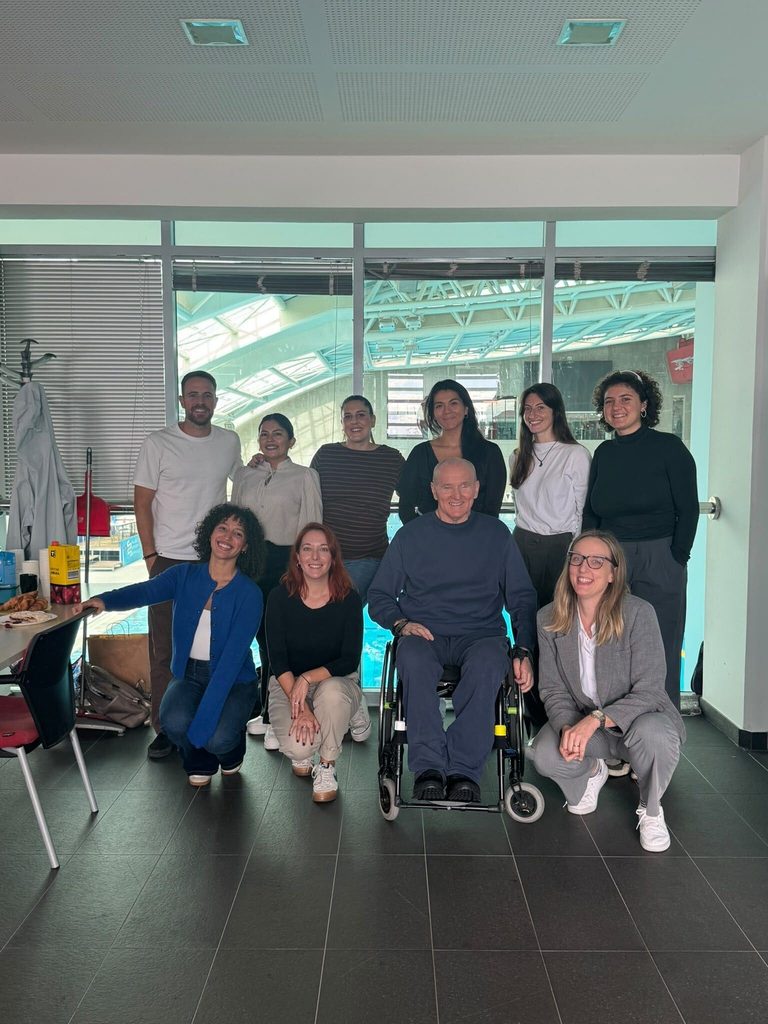
Our project has officially been “kicked-up” with a meeting in hosted by Scambieuropei in Italy, bringing together all our partners from Barcelona (FEEB), Madrid (SCF) and Rijeka (PSA Para Parasportski savez Grada Rijeke).
This meeting marks the start of something very important! over the next two years all the partners will work side by side on:
- Defining and recognizing the role of sport youth workers for inclusion (SYWI) at the European level.
- Creating a proposal for a validation tool for SYWI’s, based on a detailed competency framework.
- Share good practices, methods, and experiences among SYWI workers through a practical and accessible toolkit.
- Promote the value of social inclusion among young people through a website that collects tools, resources, and project materials..
Building Bridges, Breaking Barriers!
On the 6th of April is the International Day Sport for Development and Peace!
By adapting this day, the United nation recognizes the positive influence that sport can have on the advancement of human rights and social and economic development.
With this years theme “Building Bridges, Breaking Barriers”, the UN focuses on sport’s unique capacity to:
- foster connection, inclusion and peace in an increasignly fragmented world
- serve as a catalyst for social transformation
- contribute towards the UN objectives for development and peace
The International Day of Sport and Development of peace acknowledges that sport is a universal language, that transcends cultural and social boundaries. It does not only connect communities across borders and generation, but also reduces isolation among marginalized groups, creating spaces for dialogue, solidarity and mutual respect.
Let’s celebrate the magic of sports!

Coaches Take Center Stage at the EYWSI Project Meeting
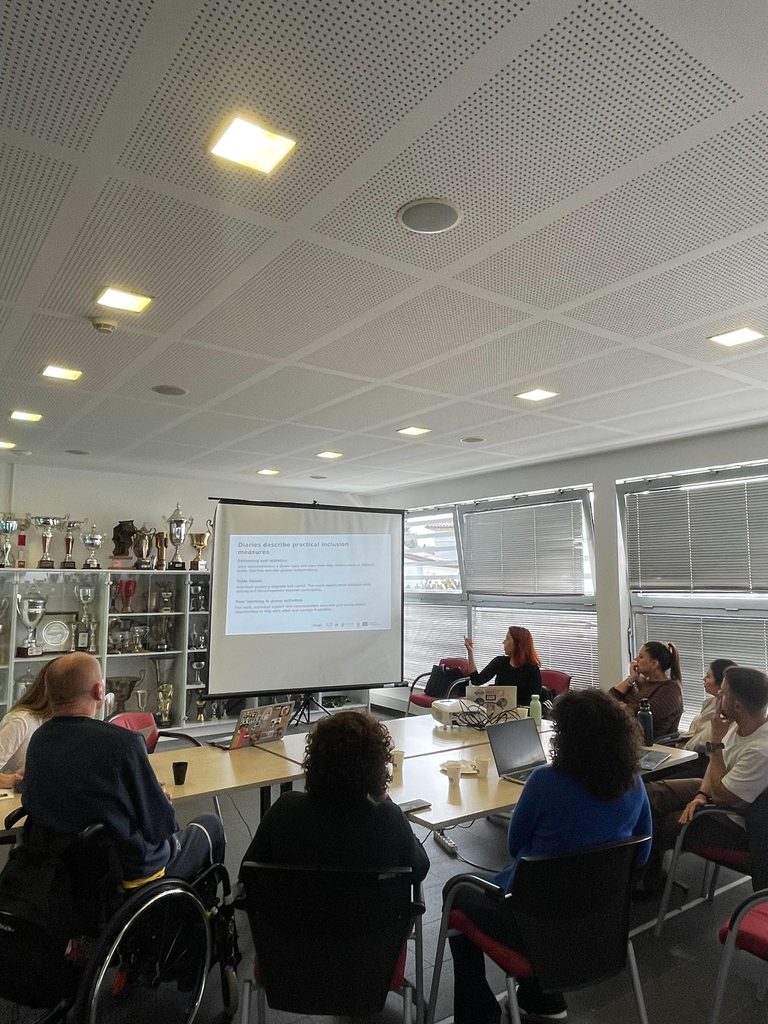
Partners and local coaches of the EYWSI (Empowering Youth Work Through Sport Inclusion) project recently met for an exciting project update. The highlight of the meeting was bringing coaches together from across Europe to discuss their real-world experience supporting young people in local sports programs.
Using Multilingual Diaries to Track Progress
For three months, coaches have been filling out simple weekly diary entries. In these entries, they track how everyday sports activities help young people get involved, build confidence, and feel included. To make this routine easy, coaches can complete the form in their native language.
What Is a Sport Youth Worker for Social Inclusion?
Based on these field observations, the project proposes a draft definition for a Sport Youth Worker for Social Inclusion: a professional or volunteer who uses sport and physical activity as a tool for personal and social growth, inclusion, participation, and well-being, rather than focusing solely on competition or athletic performance.
Coaches Profiles
The project features inspiring profiles of local coaches, including, a mountain and hiking guide, Basketball coach, multisport for children and Miroslav Matić, a parasport coach and bocce player. After a life-changing car accident, Miroslav has been competing in championships since 1998 and by 2027 will celebrate 30 years of dedicated work supporting athletes and coaches in parasport.
Sharing Real Stories from the Field
In their weekly diaries and discussions, coaches highlighted three practical principles for supporting young people through sports:
- Listening and Empathy: Understanding each young person’s background and unique needs.
- Flexibility: Adapting games and sports rules so everyone can join in safely.
- Teamwork: Connecting local volunteers with youth workers to build stronger community sport activities.
What Comes Next?
The team will combine these weekly diary entries from coaches to build practical guides and simple toolkits for inclusive sport activities across Europe.

DISCLAIMER
Funded by the European Union. Views and opinions expressed are however those of the author(s) only and do not necessarily reflect those ofthe European Union or the European Education and Culture Executive Agency (EACEA).Neither the European Union nor EACEA can be held responsible for them.